There is something deeply human about coffee. It’s the aroma of the morning, the pause before conversations begins, that soulful, delicious comfort blanket, and the ice breaker between people who may live in different parts of the world. However, behind every yummy cup of delight, there is an invisible interconnected chain of farmers, pickers, roasters, exporters, and travellers- waiting to sample the local brew. This chain can either sustain local communities or exhaust them, if not correctly managed. In Peru, and especially in the coffee-growing lowlands of Cusco, the future of that wonderful chain is being rewritten through more responsible tourism.
The Quiet Revolution in Cusco’s Cloud Forests
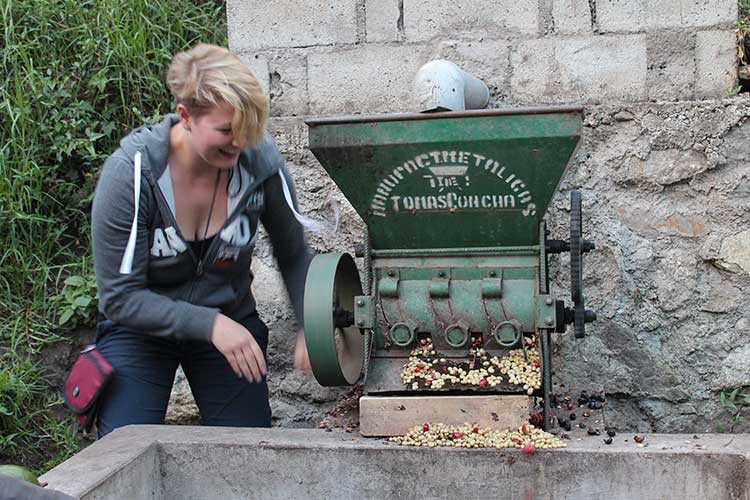
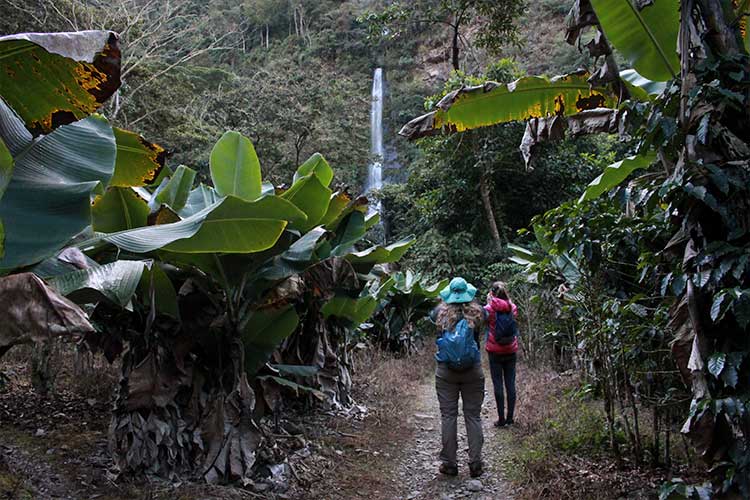
Just a few hours north of the city of Cusco city, the characteristic Andean landscapes begin to change. The high mountain passes and plains soften into rolling hills, and before too long, you’re surrounded by a sea of green, as far as the eye can see. La Convención, a province of Cusco that hides hundreds of small coffee farms scattered between mist, cloud, rains and sunlight. Communities such as Santa Maria, Santa Teresa, and Echarate have been cultivating coffee for generations. Most farms are rustic and small and the local farmers still pick coffee cherries by hand. It’s hard work to say the least, where local people are farming more by tradition than using machinery to grow the coffee plants. However, despite their ancestral skills, many farmers are hidden from the eyes of travelers. That is until recently! Coffee was previously something that was exported, not necessarily experienced. That’s now starting to change.
From Costa Rica to Cusco ! What Domingo Discovered

Earlier this year, Domingo, the founder of Kallpa Travel, joined a PromPerú-led study tour to Costa Rica to learn how that country has turned coffee production into the bedrock of sustainable travel in this central American country. In Costa Rica, Domingo witnessed travelers staying on local family farms, learning about shade-grown coffee cultivation, and roasting their own beans beside the coffee growers. This is a type of tourism that goes
deeper than just a tourist stop-off visit, it is actually where every visit creates sustainable income, local pride, and human awareness about the potential of their community practices. “Costa Rica has built a culture where sustainability isn’t an option, it’s the norm, farmers don’t see travelers as outsiders, but as partners in the process.” according to Domingo.
This wonderful relationship between local communities, the land, the weather and the visitor, is exactly what we want incorporate into to Cusco’s incredible coffee regions.
A New Kind of Peru Travel
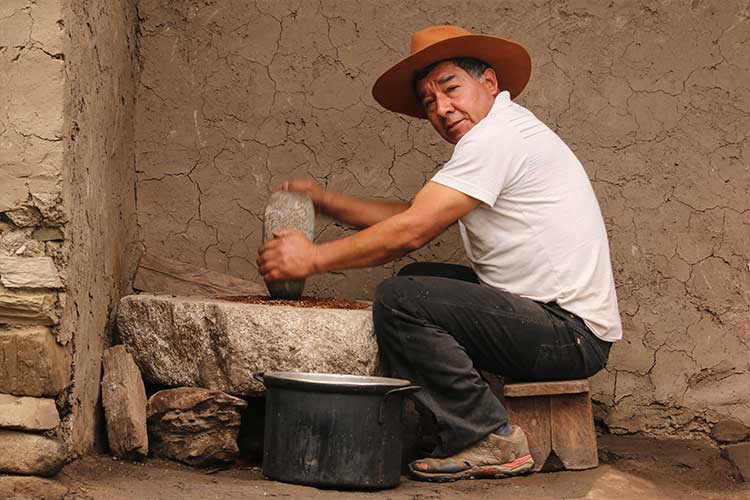
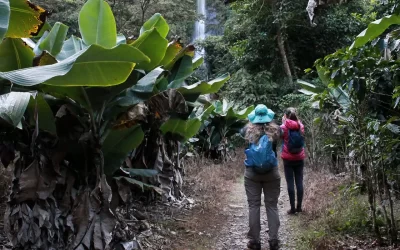
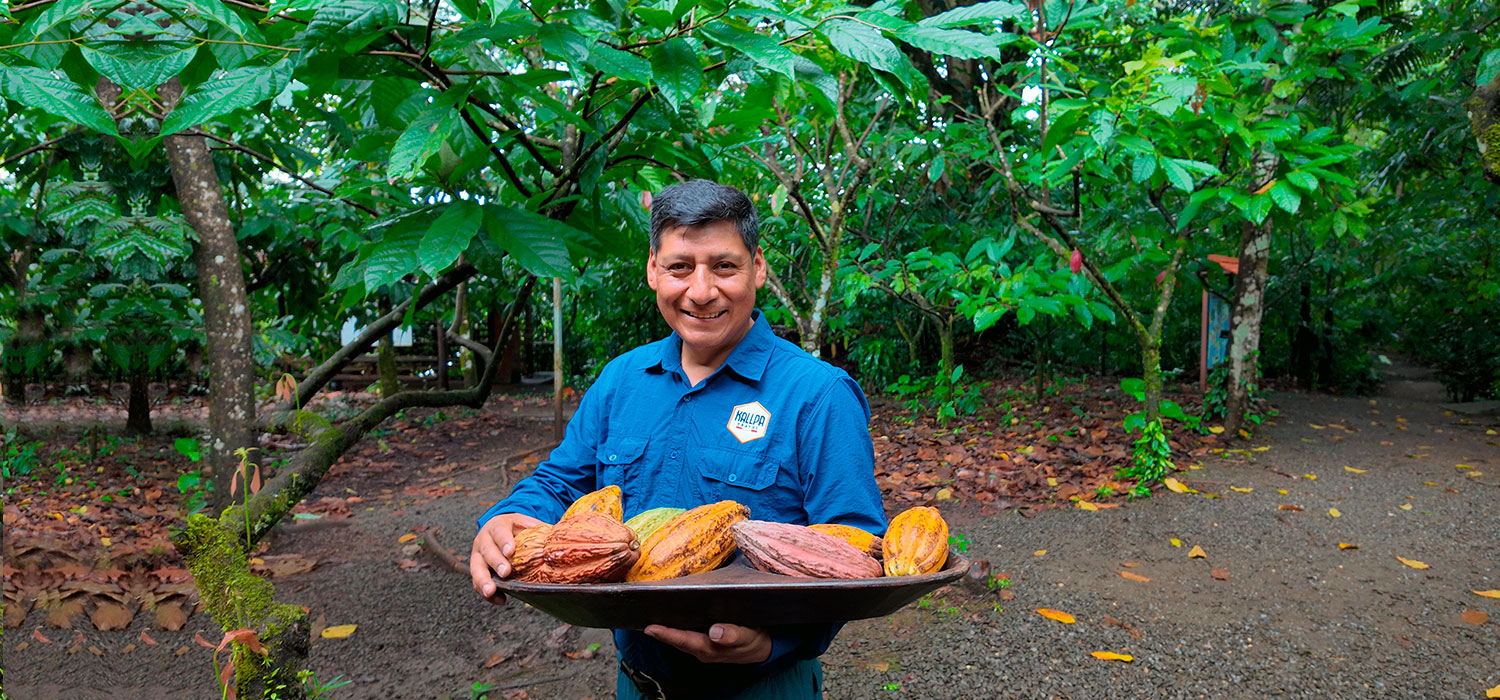
Imagine being a traveller and waking up in a small rustic eco-lodge overlooking verdant green terraces in the cloud forests of Santa Teresa. The day begins with a walk through the coffee plantations and fields, guided by the Peruvian farmer who owns them. The local farmer and the tourist pick ripe red coffee cherries, discuss soil maintenance and weather conditions, and learn how traditional organic farming replaces pesticides, with natural compost and tree varieties that offer shade. This is community-based tourism at its most authentic, getting your hands dirty, exchanging tales of travels and folklore, mutual respect that shapes every moment they are staying on the farm. At Kallpa Travel, we are in the process of developing itineraries that authentically connect travelers with these rural communities in ways that are hands-on and ethical. That focus on small group sizes, fair wages for the farmers, and a strong emphasis on education and environmental balance. At the end of the day, responsible travel doesn’t mean experiencing less of a place, it means connecting more deeply so that you have a true, real travel experience.
Lessons in Adaptability
During his visit to Costa Rica, Domingo also learned how local cooperatives have helped rural families regain control of their economies. When small farmers come together, they can set fair prices, access sustainable certification programs, improve their infrastructure for tourism and attract travelers seeking an immersive and authentic experience. The Parallels between Peru and Costa Rica and not that much different. Peru has a similar philosophy underway. Cooperatives like COCLA in Quillabamba and Huadquiña in Santa Teresa are showing that coffee tourism can be a real local economic fortitude, especially for young people who might otherwise leave their village for the city. By opening their farms to visitors, they are diversifying their income but also maintaining family traditions, and taking pride in their family /community history. Sustainability, after all, isn’t just about saving the planet, it is also about continuity and maintain ancestral traditions so that they are not forgotten in a rapidly developing world.
The Traveller’s Role
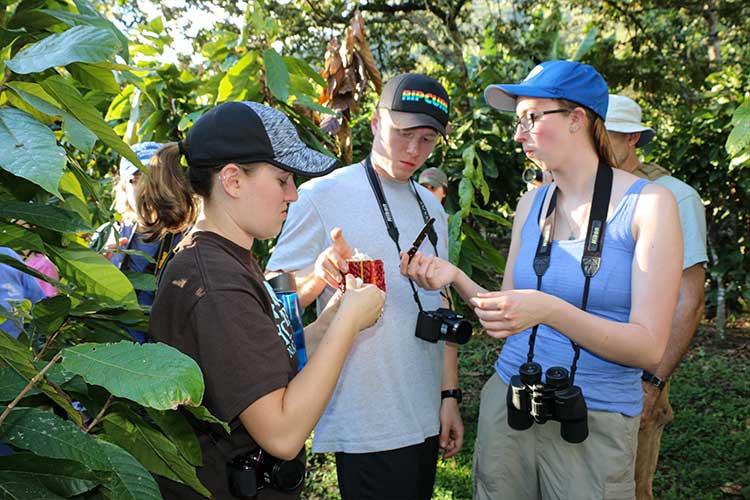
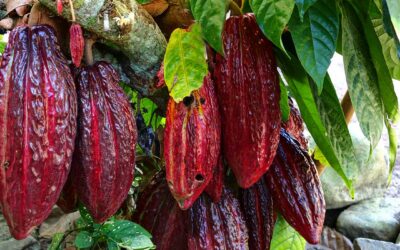
For the international visitor to the rural communities of Peru, the experience of joining a coffee harvest is life-changing in a quiet, authentic slow and unexpected way. The scent of the wet earth in the morning, the rhythmic sounds of beans falling into wicker baskets, the conversations about the weather conditions, the family, and ancient Andean belief systems. Travelers often arrive to these regions to learn more about their favourite drink that they drink back home, but they leave reflecting on fairness, community unity, climate change, global markets, and consumer habits that shape the life of those who grow what we drink. This is genuinely the power of responsible tourism in Peru- turning travel and awareness into empathy and connection. An empathetic approach leads to us making better choices, such as buying ethically sourced coffee, supporting local Peruvian cooperatives, supporting local rural communities and choosing tour operators that put people before profit…. Like Kallpa Travel.
Small-Scale, Big Vision
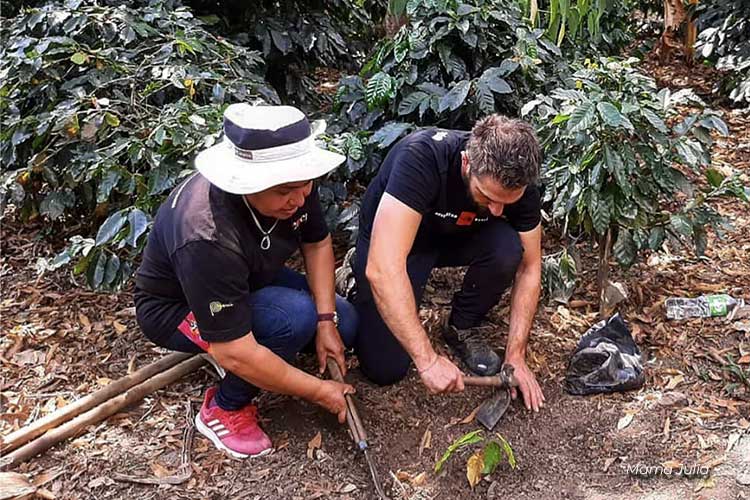
Here at Kallpa Travel, our approach to eco travel in Cusco is intentionally small-scale. We work with local partners who share our values offer fair wages, maintain cultural preservation, and minimize environmental impact. When we organize a coffee route experience, we make sure that each host family receives direct economic benefit. We help train local guides in sustainability practices and responsible travel, so travelers don’t just “observe they immerse themselves in real Peru. The long-term goal is to build a network of responsible coffee routes that link Cusco’s agricultural communities with travelers who genuinely care about the environment, people and places they visit. This is far removed from mass tourism and promotes meaningful exchange.
What Costa Rica Taught Us About Balance
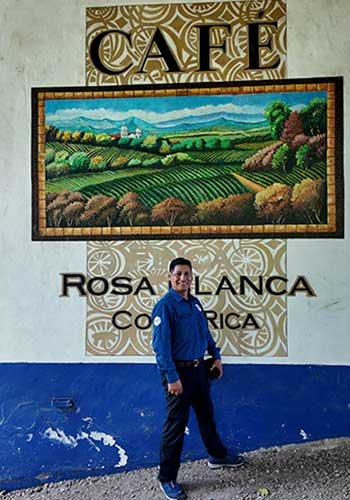
Costa Rica’s eco-model proves to us that sustainable tourism can thrive when governments, local communities, and private companies all work together. It requires patience, education, collaboration and, most importantly, a cultural shift. In Peru, thankfully, this shift is already happening. We are actually seeing more travelers who ask not just “Where can I go?” but “How can I go responsibly?” Costa Rica also taught us that travellers don’t need top-end luxury to be fulfilled on their trip. What matters is authenticity, real experiences, comfort that respects context, and the joy of
participation. A stay in a humble home powered by solar panels and surrounded by banana trees is more fulfilling and enriching than a five-star hotel for example! Plus, the money goes direct to the community and not just an international hotel chain.
Why Coffee in Peru Matters
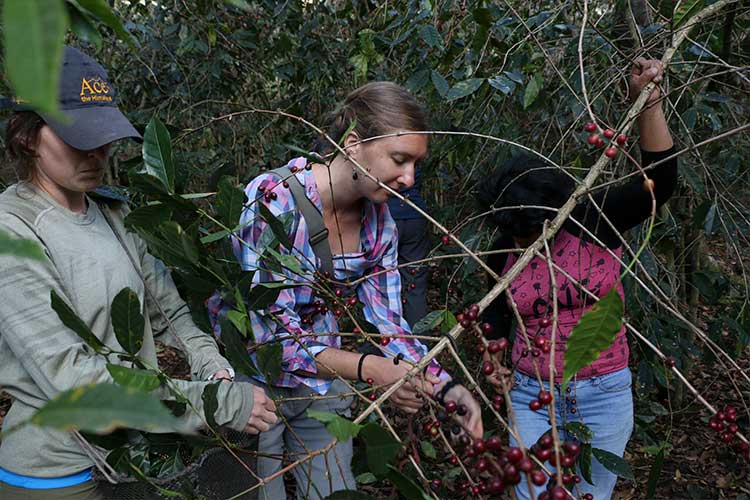
Coffee is a natural lens through which we can view all types of sustainable travel in Peru. It connects Peru´s ecosystems, local economies, and the people’s emotions. It’s living proof that tourism can coexist with traditional agriculture, environmental conservation, progress and culture… if we allow it to. When we invite travellers to explore Cusco’s coffee regions, we are offering so much more than a mere tasting tour. not offering a tasting tour. We’re offering an introduction and connection to an authentic way of life. A life that depends on the utmost respect of those who visit. In this way, the cup connects the land and table, as well as Peru and the rest of the world.
Looking Ahead
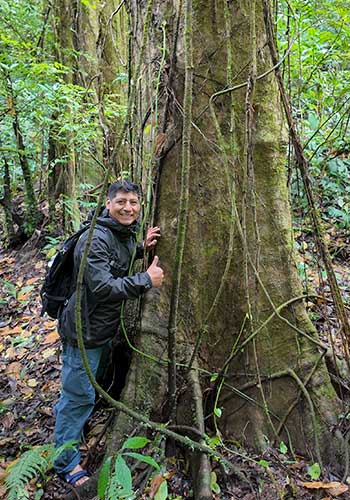
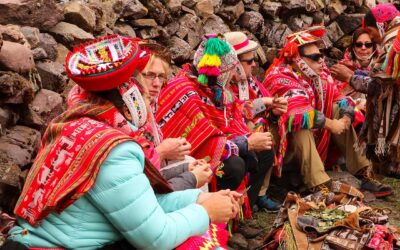
At Kallpa Travel, our main goal is to adapt Costa Rica´s eco-tourism model to Peru’s national identity. We want to celebrate what makes our coffee regions unique. Our Andean roots, Amazonian climate, and the hard work of our cloud forest farming communities. The future of responsible tourism in Cusco lies not only in famous archaeological sites like Machu Picchu, but in the local people who grow the crops, weave the textiles, grow delicious coffee and tell the ancestral stories that sustain them on a daily basis. Every visitor that comes, every coffee cup shared, every human connection made can help
shape a more balanced form of tourism, a nurturing one. Tourism that tastes of earth, rain, resilience and hard work!
If you’re the kind of traveler who values true connection over consumption, we invite you to learn about Peru’s coffee culture responsibly. Join us at Kallpa Travel on a number of tours through the incredible cloud forests of Cusco. Where each delicious sip tells a tale and every experience supports the hands that make this delicious warm elixir possible. Learn more about our community-based travel experiences in Cusco here, and help us brew a more sustainable future, one incredible cup at a time.