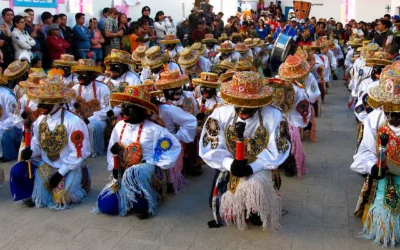
Travelling alone has a way of changing the decisions you make. Without anyone else’s itinerary to follow, you’re far more likely to say yes to the unexpected. A conversation in a café lasts a little longer. A recommendation from a local suddenly becomes tomorrow’s plan. Sometimes, all it takes is one chance encounter to take you somewhere you never knew existed. That was exactly how I found myself leaving Cusco behind and heading towards the remote Andean community of Chaullacocha.
Like most visitors, I had arrived with a list. Machu Picchu, the Sacred Valley, maybe Rainbow Mountain if the weather cooperated. They are famous for good reason, but after a few days I realized I was becoming more interested in what lay between those well-known places than simply ticking them off. A conversation with a local guide changed everything. Instead of another day following the classic route, I was invited into a part of Peru where tourism still feels like a genuine exchange rather than an industry. If there is one thing Solo Travel Peru teaches you, it’s that some of the most memorable experiences are rarely the ones you planned before boarding the plane.
Solo Travel in Peru Opens Doors You Never Expected
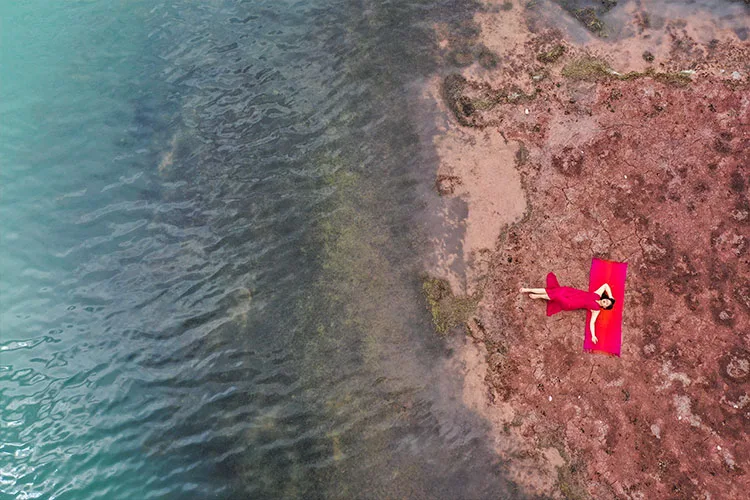
The drive east from Cusco gradually leaves behind the familiar rhythm of the city. Traffic disappears, villages become smaller and the mountains begin to dominate everything around you. Potato fields climb impossible slopes, alpacas graze quietly beside the road and women in colourful polleras walk between scattered adobe homes carrying bundles that somehow look heavier than they should. The further we travelled, the more it felt as though time was moving differently.
Life in these mountains has followed much the same rhythm for generations. Agriculture, weaving and alpaca herding remain at the centre of daily life, not because they’re traditions preserved for visitors, but because they are simply how people continue to live. Arriving alone somehow made those observations sharper. There wasn’t the distraction of conversation or trying to keep up with someone else’s pace. Instead, I found myself paying attention to the small things. The changing colours of the mountains as clouds drifted overhead. The quiet sound of alpacas grazing beyond stone walls. Children laughing as they chased a sheepdog across the hillside. It’s easy to imagine solo travel as something that constantly pushes you outside your comfort zone. Sometimes it does exactly the opposite. It slows you down enough to notice everything happening around you.
Peru Solo Travel Isn’t Only About Famous Destinations
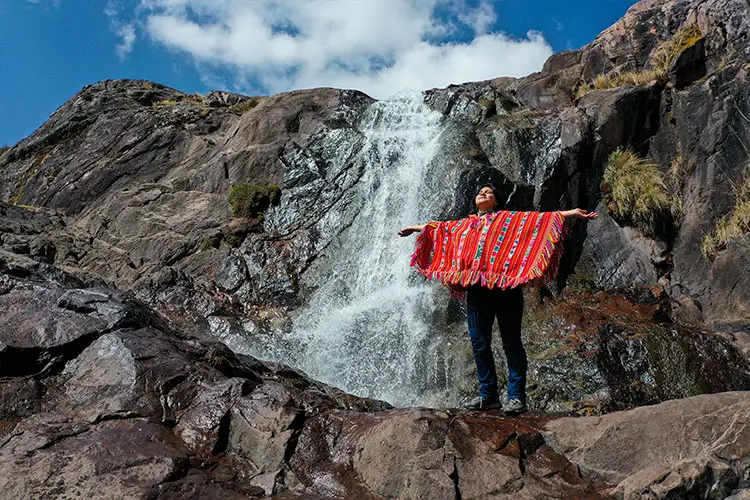
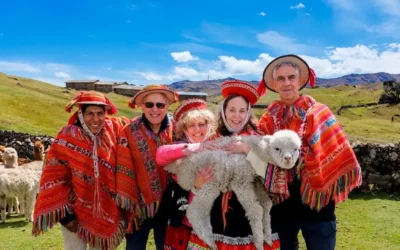
Chaullacocha sits high in the Andes at more than 4,500 metres above sea level. Reaching it involves leaving the main road behind and walking the final stretch through open grasslands where alpacas and llamas wander freely. There are no souvenir shops waiting at the entrance, no ticket office and no crowds gathering for photographs. Instead, there are families waiting to welcome visitors into their community. My room overlooked the valley below, built from adobe and stone like the surrounding homes. The electricity came and went without much concern from anyone. Thick blankets covered the bed, and a hot water bottle quickly became one of the most appreciated luxuries of the evening.
When morning arrived, frost covered the grass outside and the mountains glowed in the first light. Looking through the window, I watched a small herd of alpacas grazing quietly behind the cabin while smoke drifted from kitchen fires below. Those moments don’t appear on many Peru itineraries, yet they often become the ones people remember most.
For me, this became one of the biggest surprises of Peru solo travel. Once you leave the well-known route behind, the experience changes completely. Conversations become longer, meals become shared experiences and people are often just as interested in learning about you as you are about them.
Traveling Solo in Peru Means Sharing Everyday Moments

One meal completely changed my expectations. Finding ceviche in the high Andes wasn’t something I expected, let alone discovering one of the freshest versions I had eaten anywhere in Peru. Served with sweet potato, toasted Andean corn and trout raised in the community’s own mountain ponds, it was a reminder that Peruvian cuisine is shaped just as much by geography as tradition. The fish had travelled only a few metres from the water to the kitchen.
Later that afternoon I met the woman
responsible for those trout ponds. Using a simple network of channels fed by mountain streams, she had created a sustainable system that supported both her family and the growing homestay project. It’s easy to talk about local food when travelling, but seeing exactly where lunch came from changes your perspective completely.
The same was true of the weaving on my Peru itinerary for solo travelers
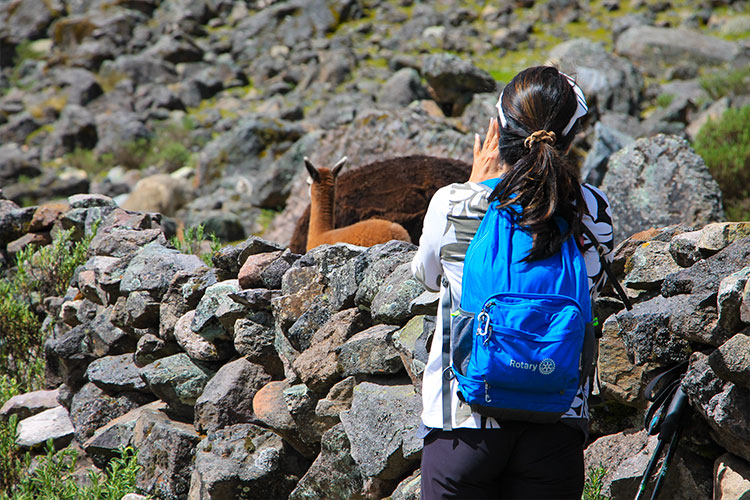
As the afternoon sun warmed the valley, several women gathered outside with bundles of alpaca fibre and brightly coloured textiles. They demonstrated techniques that had been passed between generations, spinning wool almost absentmindedly as they talked and laughed together. Buying directly from the women themselves felt very different from browsing a market in a city. Buying directly from the women felt completely different from browsing a market in Cusco. They were selling pieces they had woven themselves, explaining the colours and patterns as they worked. You knew exactly who had made what you were taking home, and exactly where your money was going. These are the moments that make Traveling solo in Peru feel less like sightseeing and more like participating, even if only briefly, in someone else’s world.
Is Peru Safe for Solo Travelers? My Experience in the Andes
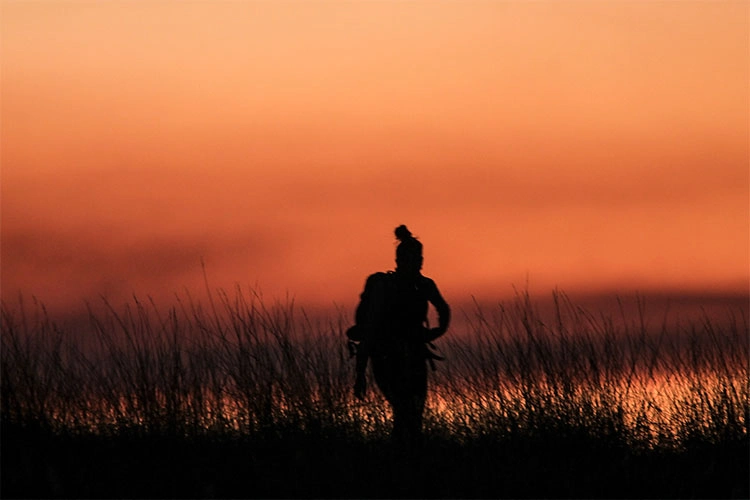
This is probably the question I hear more than any other. The honest answer is that Peru, like almost anywhere, rewards awareness rather than complacency. Cities require common sense. Busy transport terminals deserve the same attention you would give anywhere else in the world. Looking after your belongings, using registered transport and understanding where you’re travelling all remain important. What surprised me, however, was how welcomed I felt once I reached smaller communities.
In Chaullacocha, visitors are still relatively uncommon. Instead of feeling anonymous, people greeted me by name, invited me into their homes and seemed genuinely curious about why someone had travelled so far to spend time in their village. That doesn’t mean every rural community is automatically safe, nor that travellers should lower their guard. It simply reminded me that is Peru safe for solo travelers doesn’t have one simple answer because Peru isn’t one single place. The experience of walking through Cusco after dinner is very different from sharing lunch with an alpaca farming family in the Andes. Understanding those differences is often far more valuable than searching for a simple yes or no.
FAQs About About Solo Travel Peru
Is Solo Travel Peru suitable for first-time visitors?
Absolutely, although Peru probably isn’t a country to rush through on your first visit. Many people arrive thinking they’ll move quickly between Lima, Cusco, Machu Picchu and perhaps the Amazon. It looks perfectly manageable on a map, but Peru has a habit of slowing people down. Altitude takes time to adjust to, journeys through the Andes are longer than they often appear and every region feels completely different once you arrive.
Travelling alone actually makes it easier to adapt. If you wake up wanting another day in the Sacred Valley or decide to spend an afternoon wandering Cusco instead of joining another tour, nobody else’s plans need to change.
What should I know about Solo Travel in Peru before I arrive?
The biggest surprise for many travellers isn’t the altitude or the distances. It’s how varied Peru really is.
One week you could be walking through colonial streets in Cusco, the next watching condors over Colca Canyon or sitting beside the Amazon river at sunset. Packing for that variety is often more challenging than planning the itinerary itself. Layers become essential, especially if you’re moving between the coast and the Andes, where mornings can begin below freezing before warming considerably during the day.
What are the best places to stargaze in Peru?
The Sacred Valley is certainly one of the best places to Stargaze in Peru, but it is far from the only option. The Ausangate region offers some of the darkest skies in the Andes, while the high plateaus around Lake Titicaca provide enormous open horizons. Colca Canyon also rewards photographers willing to spend a few nights away from the larger towns.
Each destination has its own individual character. Some are better for dramatic mountain compositions, while others offer wide skies with very little artificial light. Choosing among the best places to stargaze in Peru really does depend on the type of photos you want to take, not just looking for the darkest location to photograph the night sky.
How easy is Peru Solo Travel without speaking Spanish?
Knowing a little Spanish certainly helps, particularly in smaller communities, but it’s far from essential. In popular destinations you’ll usually find enough English to get by. Once you move into more rural parts of Peru, conversations often become a mixture of gestures, smiles and the occasional translation from a guide. Some of my favourite moments happened without sharing more than a handful of words. Hospitality has a way of crossing language barriers surprisingly quickly.
What is the best time for Traveling Solo in Peru?
There isn’t really a single answer because every season changes the landscape. The dry months between May and September are usually the most popular, particularly for trekking and mountain photography. Clear mornings and stable weather make travelling through the Andes more predictable. The rainy season brings greener valleys, quieter archaeological sites and dramatic cloud formations that completely transform the scenery. It also tends to mean fewer visitors, which many solo travellers actually enjoy.
Is Peru Safe for Solo Travelers outside the main tourist destinations?
Smaller communities often feel very different from larger cities, but they shouldn’t automatically be considered safer simply because they’re rural. What usually makes the biggest difference is travelling with people who know the area, understanding local customs and respecting the pace of community life. Communities like Chaullacocha are still places where people live and work before they’re tourist destinations. Visitors are welcomed into family homes, not purpose-built attractions, so the experience feels very different from stopping at a viewpoint or archaeological site for half an hour.
How important is Peru Travel Safety when using public transport?
Long-distance buses connect much of Peru and are used by both locals and visitors every day. Like anywhere, it’s worth choosing reputable companies, keeping valuables with you and avoiding displaying expensive equipment unnecessarily in busy terminals. Most Peru trips pass without incident, but travelling carefully is simply part of travelling well, regardless of the country.
What does Solo Travel Peru Safety really come down to?
In my experience, it has much more to do with good decisions than constant worry. Allow yourself time to acclimatize before attempting high-altitude hikes, let someone know where you’re heading if you’re travelling independently and don’t be afraid to ask local advice before setting off. The people who know the mountains best are usually the people who live there.
Is Solo Female Travel Peru becoming more common?
Definitely. It’s increasingly common to meet women travelling independently throughout Peru, whether they’re hiking, photographing wildlife, learning Spanish or simply taking time to explore at their own pace.
Many say travelling alone actually encourages more conversations than travelling in a group. Locals are often curious about where you’ve come from and happy to recommend places that rarely appear in guidebooks.
What should I pack for Peru Solo Female Travel?
Comfort usually wins over fashion, particularly once you’re travelling through the Andes. Good walking shoes, layers, a waterproof jacket and sun protection will probably get more use than anything else in your bag. Temperatures can change quickly, especially above 3,500 metres, and even sunny mornings can become surprisingly cold once the sun disappears behind the mountains.
Leaving a little space in your backpack isn’t a bad idea either. You may find yourself returning home with handwoven textiles, locally made ceramics or far more alpaca wool than you ever planned to buy.
Why do so many people remember Solo Travel Peru long after they return home?
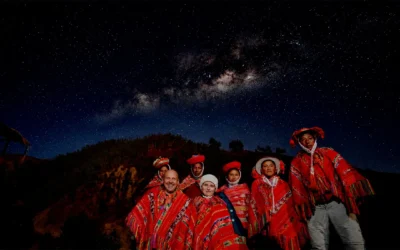
I don’t think it’s because of one place. It’s the accumulation of small moments. Watching alpacas wander past your cabin before breakfast. Sitting around a family table eating trout caught a few hours earlier. Learning that a pattern woven into a shawl has been passed from one generation to the next. Standing outside after dark and realizing you’ve never seen so many stars. Those memories rarely appear on a a travel itinerary, but they do become the stories people tell first when they arrive home.