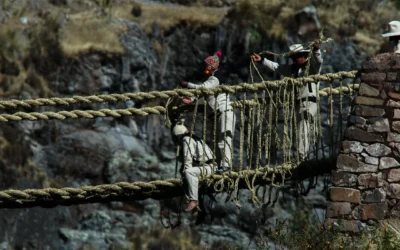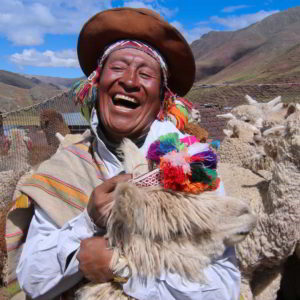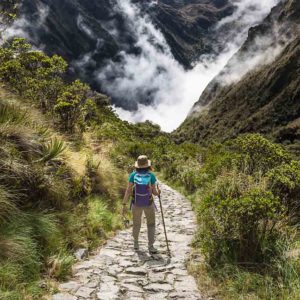
Travellers have been coming to Peru for years looking for something extraordinary. Some come for Machu Picchu. Others for the Andes, the Amazon, or the food. Yet some of the country’s most meaningful experiences are found far from the famous attractions of this incredible country. You can also head to small villages and communities where weaving traditions are still passed from one generation to the next, go to farming communities that continue to cultivate ancient crops, and to Indigenous lands where the local people maintain a deep connection to the earth
These communities are increasingly at the center of an important conversation about the future of travel as we know it. As tourism evolves, many destinations are beginning to ask a different question. Rather than simply reducing tourism’s impact, how can travel actively contribute to the wellbeing of local people, cultures, and landscapes? This idea lies at the heart of regenerative tourism.
When we travel, it changes us as individuals. Travel introduces us to new parts of the world, new cultures, and definitely new ways of seeing the world. However, as tourism has grown across the globe, many destinations have faced challenges ranging from environmental degradation to the loss of cultural traditions. As a response to this, a new movement has come about called regenerative tourism. This is completely different to traditional tourism in that it focusses on causing minimizing harm to anywhere we do travel. Regenerative tourism aims to leave a destination better than they were before we visited. This deeper meaningful way of travel encourages travelers and communities to work together to restore the balance to local ecosystems, strengthen local economies, and celebrate unique ancestral cultural traditions as well as local families by aiming to protect and improve the conditions of the communities we visit as a tourist activity.
There are few places in the world which represent this opportunity to travel better than Peru. We are talking about a country with ancient civilizations, living indigenous traditions, local ancestral beliefs and extraordinary biodiversity are an integral part of daily life. From the highest mountain tops in the Andes to the deepest darkest depths of Amazon rainforest, regenerative travel experiences are helping tourists, travellers and visitors as a whole connect on a deeper level with the people and lands that make Peru so unique. Peru is uniquely positioned to lead this shift.
Most travellers already have a pretty good idea about what sustainable tourism is. It’s the idea of reducing impact and practicing things like using less plastic, producing less waste, and causing less damage to the places we go to.
Regenerative tourism pushes that idea one step further. Instead of being about “doing less harm”, it is more focused on asking a totally different question: What does tourism actually contribute to a destination?
That could look something like supporting community projects, putting more of the tourism revenue directly into local hands, backing conservation work that already exists in these regions, or helping to keep ancestral knowledge and skills alive in regions where they’re starting to disappear. This more to do with thinking about how tourism is designed and who it is actually benefitting.
Sustainable vs Regenerative Tourism
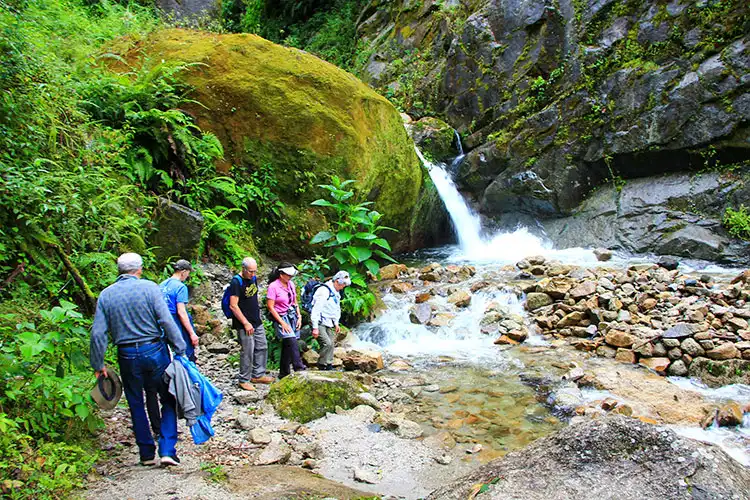
This cis a topic that comes up all the time, so it’s worth being clear, here. Sustainable tourism is definitely about reducing negative impact. Regenerative tourism is actually more about trying to create a net positive impact on the regions that receive tourism.
A sustainable hotel might focus on more careful energy use, waste reduction, and reducing the use of plastic. A regenerative approach would look more outwards Something that works with local suppliers, supporting reforestation or conservation projects, hiring locally in a meaningful way, or even funding local, cultural projects that are actually led by communities rather than designed for them. Community members should always be an integral part of the decision-making process that affects them.
In reality, both of these matter. You don’t really get regenerative tourism without a sustainable foundation to base it from. The regenerative way of thinking however, asks a more uncomfortable but necessary question: If tourism is growing here, who is actually benefitting?
Indigenous Communities and Why They Matter
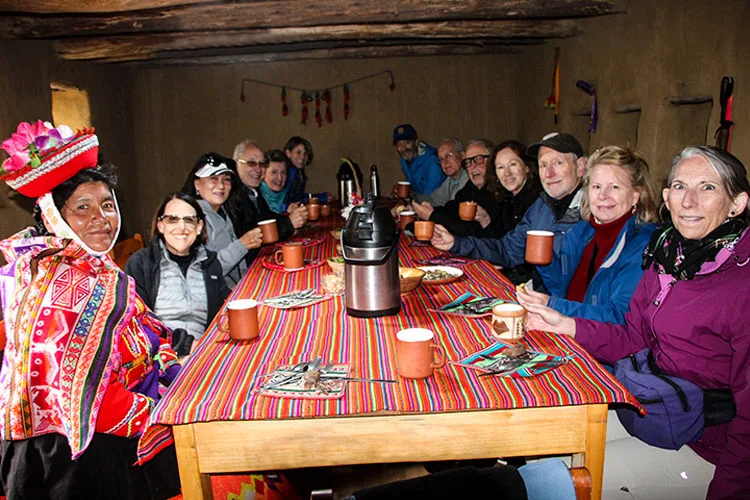
In reality, a lot of what we now call “regenerative” thinking isn’t new at all.
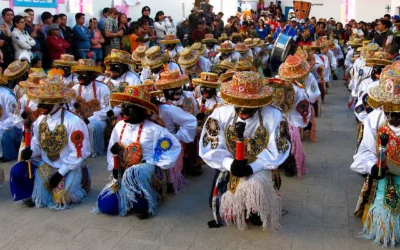
Many Indigenous communities have always worked with a long-term view of land, resources, and community wellbeing. Reciprocity, respect for nature, and shared responsibility aren’t concepts introduced by tourism — they’ve been lived practices for generations.
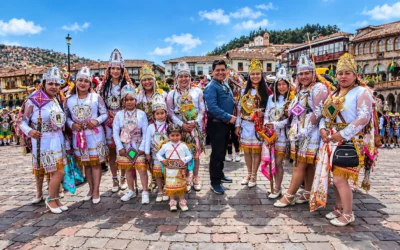
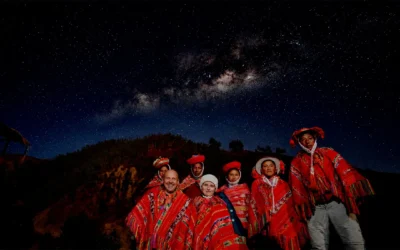
You see this clearly in places like Peru, where Quechua communities, Amazonian groups, and highland farming families are increasingly leading tourism experiences themselves, rather than being included as an afterthought.
That shift is important. For years, tourism often relied on Indigenous culture without communities having much control over how it was presented or how income was distributed.
The stronger model now is simple: communities lead, and tourism follows.
Community-Based Tourism in Practice
This is where regenerative tourism actually becomes real on the ground.
Community-based tourism is exactly what it sounds like — tourism designed, managed, and run by local people.
It might be:
a weaving cooperative opening its doors to visitors
a farming family hosting shared meals or homestays
local guides leading walks through landscapes they work and live in every day
small community lodges in remote areas
workshops around traditional cooking, textiles, or agriculture
When it works properly, it’s not staged. It’s just people sharing what already exists in their daily life, with tourism as an added layer — not the other way around.
And the impact is quite direct: income stays local, younger generations see value in staying connected to their traditions, and tourism stops being something external that arrives and leaves again.
Regenerative Tourism in Peru
Peru is one of those countries where this conversation isn’t theoretical — it’s happening in real time.
Yes, Machu Picchu is still the main reference point for most travellers. But the reality of Peru’s tourism story is much broader than that.
In the Sacred Valley, you have Quechua communities still farming terraces that have been in use for centuries. In the high Andes, weaving knowledge is still passed down in families, not recreated for demonstration. In the Amazon, entire communities are actively protecting forest because it is both their home and their livelihood.
These are not “experiences added on to a trip”. They are the trip for a lot of travellers who take the time to step slightly off the main route.
And usually, those are the moments people remember most.
Not because they are more dramatic, but because they feel real. A conversation that wasn’t scripted. A shared meal that wasn’t designed for visitors. A walk with someone who knows the land because they live with it every day.
That’s where tourism stops being just sightseeing and starts becoming something more connected.
Regenerative Tourism in the Sacred Valley
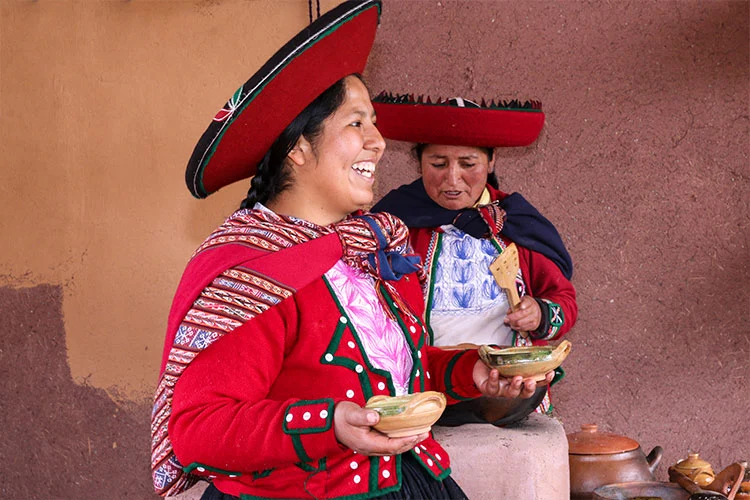
The Sacred Valley provides an excellent example of how tourism can support community empowerment. Activities focused on preserving traditional textile techniques and supporting women’s cooperatives help to create fair economic opportunities for all. Maintaining agricultural heritage and encouraging cultural exchange all promote the idea of regenerative tourism. When travelers participate in these programs, tourism revenue remains within local communities and helps sustain traditions that are part of Peru’s living cultural heritage conservation and environmental regeneration
Regenerative tourism is not only about people. It is also about the land that provide sustenance to the community. There are many regenerative tourism projects around the world that focus on environmental restoration and biodiversity protection.
Examples include:
- Reforestation initiatives
- Wetland restoration
- Wildlife monitoring programs
- Conservation tourism projects
- Native species recovery efforts
These projects represent a growing movement toward nature-positive tourism, where travel actively contributes to ecosystem health.
In Peru, this can be seen in conservation initiatives in the Amazon, private protected areas, and tourism programs that support biodiversity research and habitat protection. Travelers increasingly want to know that their trip contributes to something larger than themselves. Regenerative tourism offers that opportunity.
Why Travelers Are Looking for More Meaningful Experiences Today
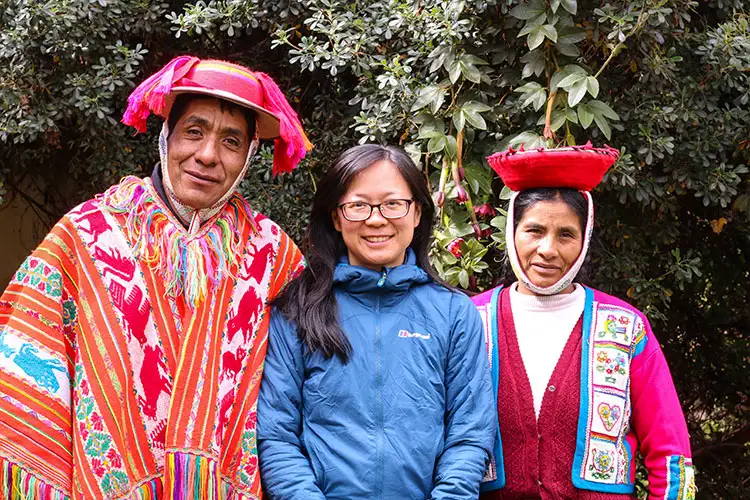
The modern traveler is changing. Many people no longer want to simply check destinations off a list. They want real and authentic cultural experiences meaningful travel experiences, ethical travel experiences, and community-led travel experiences.
As people become more aware of the impact they can have on their surroundings, responsible tourism practices and purpose-driven travel are at the very forefront of travel in the 21st century. This shift helps explain the growing interest in regenerative travel experiences.
People want their journeys to have a positive impact. They want to understand where their money goes and who benefits from their visit. They want to connect with local people rather than simply observe them. For many travelers, these experiences become the most memorable part of their trip.
The Benefits of Regenerative Tourism
The benefits of regenerative tourism extend far beyond the tourism industry itself. For local communities, it can create greater ownership of tourism initiatives, diversify income sources, generate employment opportunities, strengthen cultural preservation, and empower residents to play a leading role in shaping their future. For the environment, regenerative tourism can contribute to ecosystem restoration, biodiversity protection, conservation funding, and stronger environmental stewardship. Travelers also benefit through authentic cultural immersion, deeper connections with the places they visit, transformative experiences, a richer understanding of local realities, and memories that carry far more meaning than a typical vacation. When tourism directly supports both people and place, everyone benefits.
The Future of Travel
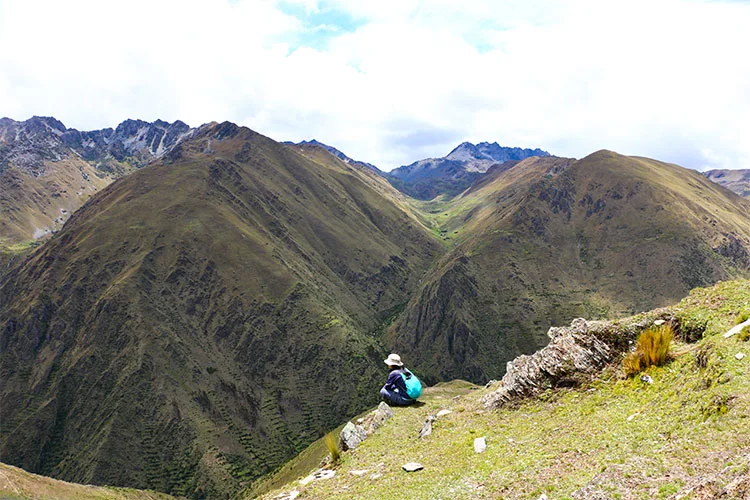
The future of travel is unlikely to be defined solely by luxury hotels, bucket-list attractions, or how many destinations we can tick off in a single trip. Increasingly, travelers are looking beyond the highlights and asking deeper questions about the impact of their journeys. Who owns the tourism businesses they support? Where does the money go after they leave? How are local communities affected by tourism, and what happens to the natural environment once the visitors have gone home?
Regenerative tourism does not pretend to have all the answers, but it encourages a different way of thinking about travel. Rather than focusing only on minimizing harm, it asks how tourism can contribute positively to the places and people that make travel possible in the first place.
For Peru, this approach holds particular promise. Across the Andes, the Amazon, and the country’s many cultural landscapes, Indigenous knowledge, biodiversity, and living traditions remain deeply connected. Tourism has the potential not only to showcase these treasures, but also to help protect them. When local communities are empowered to lead tourism initiatives, when cultural traditions are valued rather than commodified, and when natural areas benefit directly from visitor spending, tourism becomes a force for regeneration rather than simply being their to spend their dollars.
Ultimately, the main aim is not to attract more visitors at any cost. It is to create travel experiences that strengthen communities, support conservation, celebrate cultural heritage, and leave destinations better prepared for the future. That is the promise of regenerative tourism, and it is one of the most important conversations shaping the future of travel today.
FAQs About About Solo Travel Peru
What is regenerative tourism and why does it matter?
Regenerative tourism goes beyond sustainability by seeking to create positive environmental, cultural, and economic impacts. It focuses on helping destinations become stronger through tourism rather than simply reducing negative effects.
How does regenerative tourism benefit local communities?
Regenerative tourism supports local ownership, creates employment opportunities, preserves cultural traditions, and ensures tourism revenue remains within communities.
What is the difference between sustainable tourism and regenerative tourism?
Sustainable tourism aims to reduce harm, while regenerative tourism aims to actively improve destinations through ecosystem restoration, community empowerment, and cultural preservation.
What are some examples of regenerative tourism in Peru?
Examples include community-based tourism projects in the Sacred Valley, Indigenous cultural experiences, traditional weaving initiatives, conservation projects in the Amazon, and locally owned tourism enterprises.
Why is community-based tourism important?
Community-based tourism ensures local people have control over tourism activities and receive direct economic benefits while preserving their cultural heritage and traditions.
Can regenerative tourism help conservation efforts?
Yes. Many regenerative tourism initiatives support habitat restoration, biodiversity protection, reforestation programs, wildlife conservation, and environmental education projects.