High-Altitude Wine in Cusco: The Story of Huayoccari Wine in the Sacred Valley
Most people think archaeological sites and hiking boots when they think of the Sacred Valley. Not wine. Is there actually any high altitude wine in Cusco? This is exactly why Huayoccari wine Sacred Valley catches people off guard the first time they hear about it. High-altitude wine in Cusco sounds almost like a contradiction. Grapes need warmth, long seasons, gentle sun. The Andes give you thin air, brutal UV light, nights cold enough to fog up your breath. Somehow at the Viñedos del Inca Huayoccari all of that turns into something genuinely good once it is poured into the glass.
Why Grapes Are Able to Grow Up Here
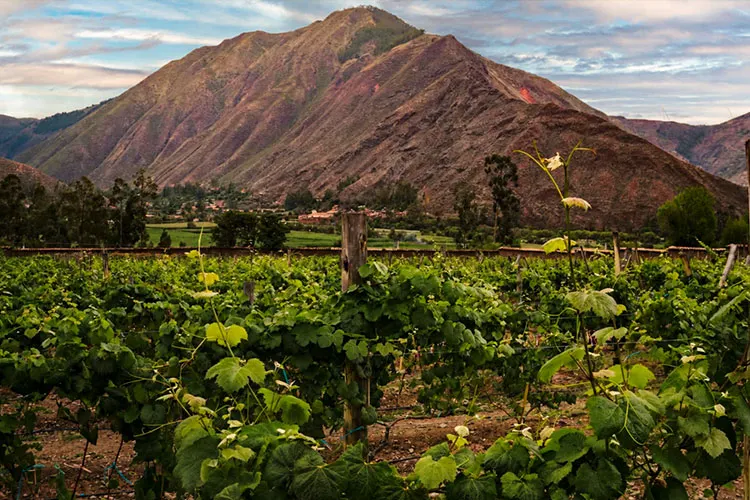
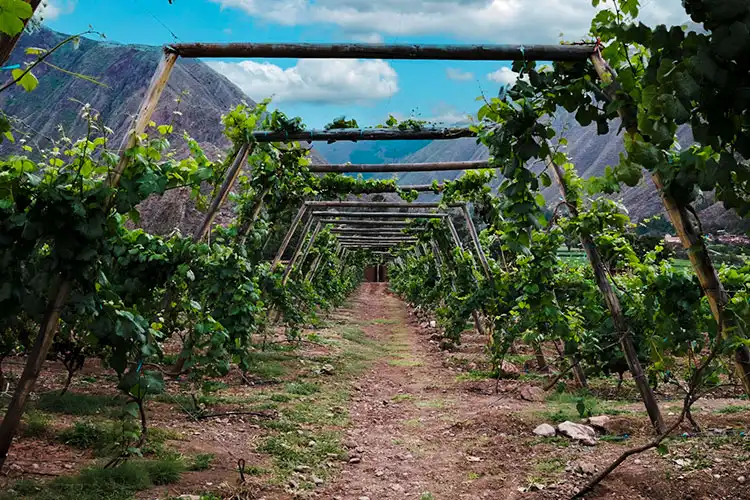
 Huayoccari is found in the Huayllabamba district of Cusco, close to 3,000 meters, higher than where most wine regions on earth would even try. High-altitude viticulture in Peru works here for reasons that sound backwards if you are used to France or California. Sun hits harder up this high, where there is barely any atmosphere left to filter it. Days run bright and intense. Night falls fast, sometimes twenty degrees or more between the afternoon heat and midnight cold. Vines respond to that stress in their own wonderful way. Building sugar and color during the day, slowing down at night, and locking in acidity that would just burn off somewhere hotter. Add glacial soil, heavy with minerals from glacier melt that has been coming down the mountains for centuries, and you get terroir that doesn’t really exist anywhere else on the continent.
A Vineyard Built on Much More Than Wine
The elevation angle is not really the whole story though. Sustainable wine tourism in Cusco has picked up steam these last few years, and Huayoccari leaned into that rather than bolting it on as an afterthought. This particular vineyard counts as one of the more serious eco-friendly wineries in Peru, and it shows in how things run on a daily basis. No chemical insecticides in this Sacred Valley vineyards Peru rely on pesticides here. Farming leans toward the organic instead. working with the Andean ecosystem rather than
fighting against it. This is certainly not the easy path at this altitude.
Spraying would be simpler, and a lot faster too. But eco-friendly wine Cusco production like this is betting that the harder way pays off eventually, for the land and for what ends up in the bottle.
There is a community piece here too, one that doesn’t always come up when people talk about boutique wine projects. Sacred Valley community-based tourism ties in directly at Huayoccari. Local agricultural specialists handle the actual fieldwork, not outside crews flown in for a season and gone by harvest. Real jobs, tied to land in a district where farming has always carried the local economy anyway. The vineyard ends up working as an alternative income source for rural families nearby, something steadier than leaning purely on tourism swings or subsistence crops. Not charity dressed up as marketing either. Just a business model that happens to line up with what the region actually needs right now.
The Grapes That Actually Survive Up Here
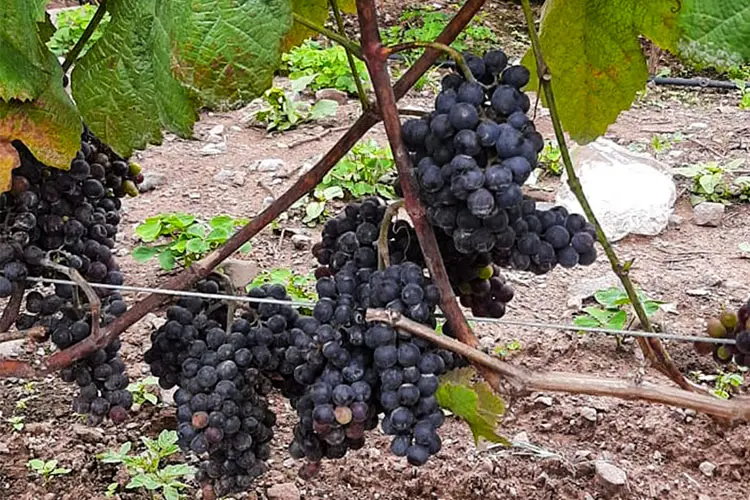
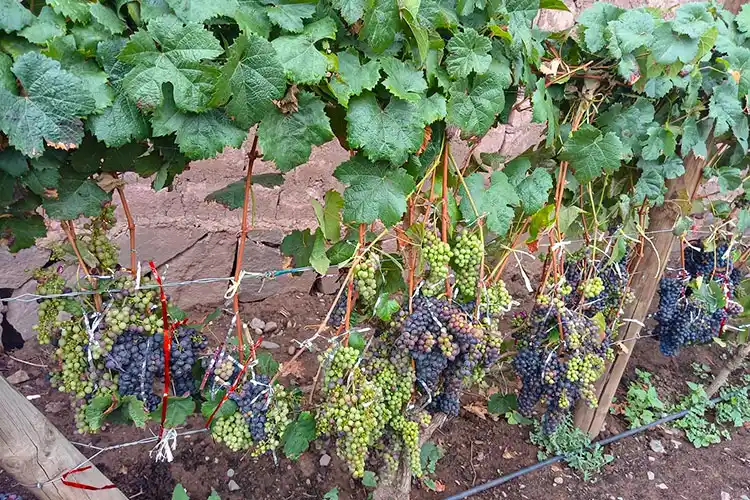
Not every grape can handle this kind of altitude! This is why a part of why Huayoccari’s lineup looks the way it does. Flagship here is a high-altitude Tannat wine Peru produced with more depth than you would expect from a grape usually tied to Uruguay and southwestern France. Tannat takes the intense sunlight well, and up here it comes out with bold, dark, tannins heavy enough to stand up to the palate. Sitting alongside the reds is Gewürztraminer grapes Cusco has picked up for something lighter, and more aromatic. Floral, and spiced even under normal growing conditions, and up here the acidity stays crisp in a way that lower-altitude versions of the same grape often lose.
None of this happens by accident, of course. The process includes French oak barrels for aging. Fermentation running through temperature-controlled tanks instead of whatever the weather happens to be doing outside that week. This somewhat bizarre mix, however is exactly what works best for the wine! Old growing instincts paired with modern equipment, meeting somewhere in the middle nearly two miles above sea level. Most people visiting the vineyards in the Peruvian Andes for the first time expect something more rustic than what is actually happening inside that Andean production building.
Where the Wine Actually Lands on a Plate
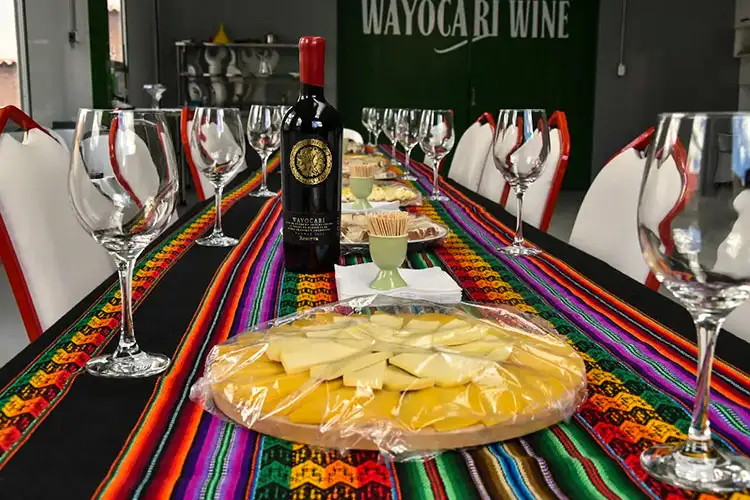
A bottle of this Sacred Valley wine doesn’t really finish its story sitting in the glass. Andean flavours and wine pairings go together here in ways that feel obvious once you have tried it, even though barely anyone was doing this at all just a decade back. Peruvian wine pairing with alpaca meat has turned into a signature move for restaurants leaning into the high-altitude Tannat, since the richness in the meat holds up against those heavy tannins instead of getting steamrolled by them. Lamb works the same way. Native potatoes too, and Peru has an almost ridiculous number of varieties to pick from, bring enough earthiness to round a red out without fighting it for attention.
This is not staying confined to small tasting rooms out in the valley either. Peruvian wines in fine dining have started turning up on menus getting real international attention. Restaurants like Mayta and Astrid & Gastón down in Lima now pour Huayoccari wine next to dishes built specifically around what the wine brings to the plate. This is a real shift for a wine region that barely existed in most people’s heads a few years ago. Landing on a tasting menu next to some of the most talked-about food in South America says something about where this project has gotten to, quality-wise, whether casual travellers have caught up yet or not!
Actually Getting Out To The Vineyard
For anyone planning a trip through the region, luxury culinary experiences in Cusco increasingly carve out real time for wine now, instead of treating it as a footnote squeezed between ruins and market stops. A private Sacred Valley wine tour built around Huayoccari gets you a much closer look at how this all comes together, past whatever a label can tell you on its own.
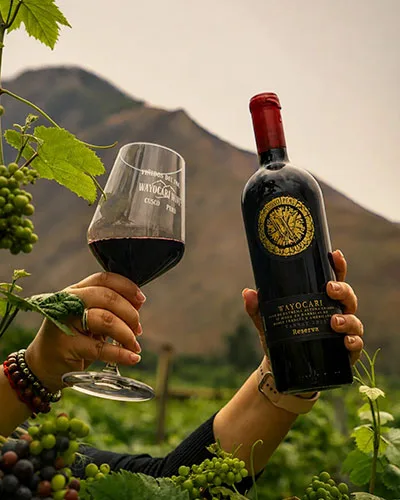
Following the Huayoccari wine route usually means walking the estate grounds directly, meeting whoever is handling the harvest that season instead of just hearing about them secondhand. Tastings happen outdoors when weather allows, looking out over the Vilcanota River below, which does more for the whole thing than any indoor tasting room ever could. Reading about high-altitude viticulture in Peru on a label is one thing. Standing in the actual vineyard, feeling how thin the air gets, then tasting what that thin air and cold soil actually produced, is a different thing entirely.
Working through Kallpa Travel, culinary experiences in Huayllabamba Sacred Valley can fold into a bigger itinerary rather than sitting there as a standalone stop wedged between other things. Matters more than it sounds like it should. Wine tourism Cusco Peru is still young enough as an industry that a lot of the value comes down to context. Why the vineyard sits where it sits. Why these particular grapes got chosen. Why the whole operation runs organic instead of taking the easier route available. A tailor-made itinerary built around those details tends to land better with travelers who actually want to understand what they’re drinking, not just tick a box marked “wine tour” somewhere on a longer Peru trip.
A Region Still Writing Its Own Story
What’s happening at Huayoccari doesn’t really compare to older, more established wine regions elsewhere. No century of tradition to lean on. No generations of winemaking families passing methods down unchanged. Instead, there is an experiment still very much in progress, working out better than anyone probably guessed a decade ago. High-altitude wine in Cusco is proving that elevation, wild temperature swings, and glacial soil aren’t obstacles getting in the way of good wine. They’re the actual reason it tastes the way it does.
Anyone coming through the Sacred Valley purely for ruins and hiking trails might not think to add a vineyard onto that list. It is understandable, given how much else there is to see in this part of Peru. But Huayoccari wine Sacred Valley offers something genuinely different from everything else on offer here. A chance to taste a landscape most people only ever look at from a distance. Between the altitude, the community behind it, and the food it’s increasingly showing up next to on plates across the country, this is a story that’s really only just getting started!